 1 hour ago
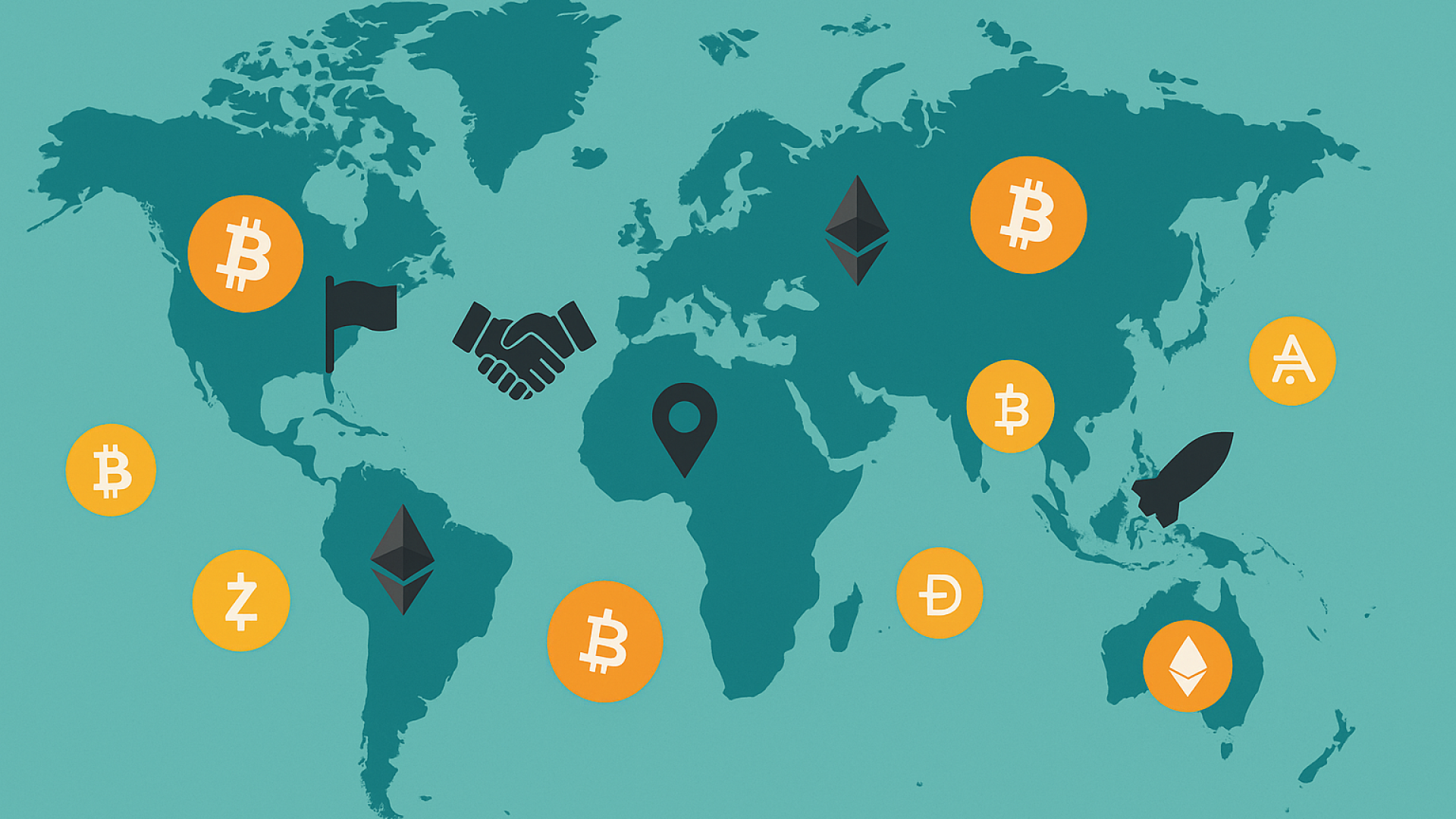
In 2026, the global geopolitical landscape is marked by increasing tensions among major powers, regional conflicts, and shifting alliances. These developments have profound implications for various sectors, including the rapidly evolving cryptocurrency markets. This article explores how geopolitical tensions influence cryptocurrency dynamics, the challenges and opportunities arising from this interplay, and potential pathways for market participants and regulators to navigate this complex environment.
Context: The Rising Geopolitical Frictions of 2026
Over recent years, geopolitical tensions have intensified due to a combination of economic competition, territorial disputes, and ideological divergences. Key flashpoints include strained relations between the United States and China, ongoing conflicts in Eastern Europe, and instability in the Middle East. These tensions have led to increased economic sanctions, trade restrictions, and a general atmosphere of uncertainty in international relations.
Cryptocurrencies, initially conceived as decentralized digital assets free from traditional financial system constraints, have increasingly become entangled in these geopolitical dynamics. Their borderless nature and potential for anonymity make them both attractive and concerning to governments and investors alike. As nations grapple with the implications of these digital assets, the intersection of geopolitics and cryptocurrency markets has become a critical area of focus for policymakers, financial institutions, and market participants.
Core Impact: How Geopolitical Tensions Affect Cryptocurrency Markets
Geopolitical tensions impact cryptocurrency markets through several channels:
- Market Volatility: Heightened geopolitical risks often trigger sharp fluctuations in cryptocurrency prices. Investors seeking safe havens may turn to digital assets like Bitcoin, perceiving them as alternatives to traditional currencies vulnerable to geopolitical shocks. Conversely, uncertainty can also lead to rapid sell-offs as risk appetite diminishes, causing significant price swings that challenge market stability.
- Regulatory Responses: Governments facing geopolitical threats may impose stricter regulations on cryptocurrencies to prevent illicit financing, capital flight, or cyber threats. For example, sanctions enforcement increasingly targets cryptocurrency transactions linked to sanctioned entities, prompting exchanges and wallet providers to enhance compliance measures. These regulatory shifts can vary widely across jurisdictions, creating a complex and fragmented global regulatory environment.
- Technological Innovation and Adoption: In response to geopolitical pressures, some nations accelerate the development of central bank digital currencies (CBDCs) and blockchain technologies to assert monetary sovereignty and reduce dependence on foreign financial systems. This trend influences the broader crypto ecosystem by introducing new standards and competitive dynamics, potentially reshaping how digital assets are integrated into the global financial infrastructure.
- Cybersecurity Concerns: Geopolitical rivalries often manifest in cyber operations targeting critical infrastructure, including cryptocurrency networks and exchanges. Such attacks can undermine market confidence and disrupt trading activities, highlighting the vulnerabilities inherent in decentralized and digital financial systems.
Detailed Analysis: Case Studies and Market Trends
Several recent events illustrate the complex relationship between geopolitics and cryptocurrencies:
- Sanctions and Crypto Enforcement: Following intensified sanctions on certain countries, authorities have increasingly scrutinized cryptocurrency transactions to prevent evasion. This has led to the delisting of some exchanges and enhanced Know Your Customer (KYC) protocols, impacting liquidity and user access in affected regions. These enforcement actions reflect a broader trend of integrating cryptocurrency oversight into traditional geopolitical strategies.
- Safe Haven Dynamics: During periods of geopolitical escalation, Bitcoin and other major cryptocurrencies have occasionally exhibited characteristics of safe-haven assets, attracting capital inflows. However, this behavior is not consistent, as market sentiment and macroeconomic factors also play significant roles. The dual nature of cryptocurrencies as both speculative assets and potential refuges complicates investor decision-making during crises.
- CBDC Development: Countries such as China and the European Union have accelerated their CBDC projects, partly motivated by geopolitical considerations. These digital currencies aim to provide secure, sovereign alternatives to cryptocurrencies and traditional banking systems, potentially reshaping global financial flows. The strategic deployment of CBDCs may alter the competitive landscape, influencing the adoption and regulation of decentralized cryptocurrencies.
- Cyber Attacks on Crypto Infrastructure: There have been documented cases of state-sponsored cyberattacks targeting cryptocurrency exchanges and blockchain networks, aiming to disrupt adversaries’ financial capabilities or steal digital assets. These incidents highlight the vulnerabilities within the crypto ecosystem amid geopolitical rivalries and underscore the need for enhanced security protocols and international cooperation.
Challenges and Risks for Market Participants
The intertwining of geopolitics and cryptocurrencies presents several challenges:
- Regulatory Uncertainty: Rapidly evolving geopolitical situations often lead to unpredictable regulatory changes, complicating compliance for exchanges, investors, and developers. This uncertainty can deter innovation and investment, while also increasing operational risks for market participants.
- Market Manipulation Risks: Geopolitical actors may attempt to influence cryptocurrency markets through misinformation or coordinated trading strategies, increasing volatility and undermining market integrity. The decentralized and often opaque nature of crypto markets can make detection and prevention of such manipulation difficult.
- Access and Inclusion Issues: Sanctions and restrictions can limit access to cryptocurrency services for populations in affected regions, raising concerns about financial inclusion and human rights. While cryptocurrencies have the potential to provide financial services to the unbanked, geopolitical constraints may hinder this promise.
- Security Vulnerabilities: The risk of cyberattacks necessitates robust security measures, which can be costly and technically demanding for smaller market participants. Ensuring the resilience of crypto infrastructure is critical to maintaining trust and stability in the market.
Potential Solutions and Strategic Approaches
To address these challenges and harness opportunities, stakeholders can consider the following strategies:
- Enhanced Regulatory Cooperation: International collaboration among regulators can help harmonize standards, improve sanctions enforcement, and reduce regulatory arbitrage, fostering a more stable crypto environment. Multilateral frameworks and information sharing are essential to managing the cross-border nature of cryptocurrencies.
- Investment in Cybersecurity: Strengthening cybersecurity infrastructure and sharing threat intelligence can mitigate risks from state-sponsored and criminal cyber activities. Public-private partnerships and industry-wide best practices can enhance overall security posture.
- Promoting Transparency and Accountability: Encouraging transparent operations by exchanges and blockchain projects can build trust and reduce the potential for market manipulation. Implementing robust KYC and anti-money laundering (AML) measures, while respecting privacy, is vital.
- Supporting Financial Inclusion: Developing accessible and compliant crypto services can help populations in geopolitically affected regions maintain financial access despite sanctions or restrictions. Innovative solutions such as decentralized finance (DeFi) platforms with built-in compliance features may offer pathways forward.
- Monitoring and Adapting to Market Trends: Investors and institutions should remain vigilant to geopolitical developments and adjust their strategies accordingly, balancing risk and opportunity. Scenario planning and dynamic risk management frameworks can enhance resilience.
Conclusion: Navigating the Intersection of Geopolitics and Cryptocurrencies
As 2026 unfolds, the interplay between geopolitical tensions and cryptocurrency markets will continue to shape the future of digital finance. While challenges such as regulatory uncertainty, cybersecurity threats, and market volatility persist, proactive collaboration and innovation offer pathways to resilience and growth. Market participants, regulators, and policymakers must engage constructively to ensure that cryptocurrencies can fulfill their potential as inclusive, secure, and efficient financial instruments amid a complex geopolitical landscape.
Understanding these dynamics is essential for anyone involved in the cryptocurrency space, from individual investors to global institutions. By staying informed and adaptable, stakeholders can better navigate the uncertainties ahead and contribute to a more stable and equitable digital financial future. The evolving geopolitical environment demands a nuanced approach that balances innovation with security, sovereignty with openness, and regulation with freedom, ultimately fostering a robust ecosystem capable of withstanding the pressures of an increasingly interconnected world.