 1 hour ago
Introduction
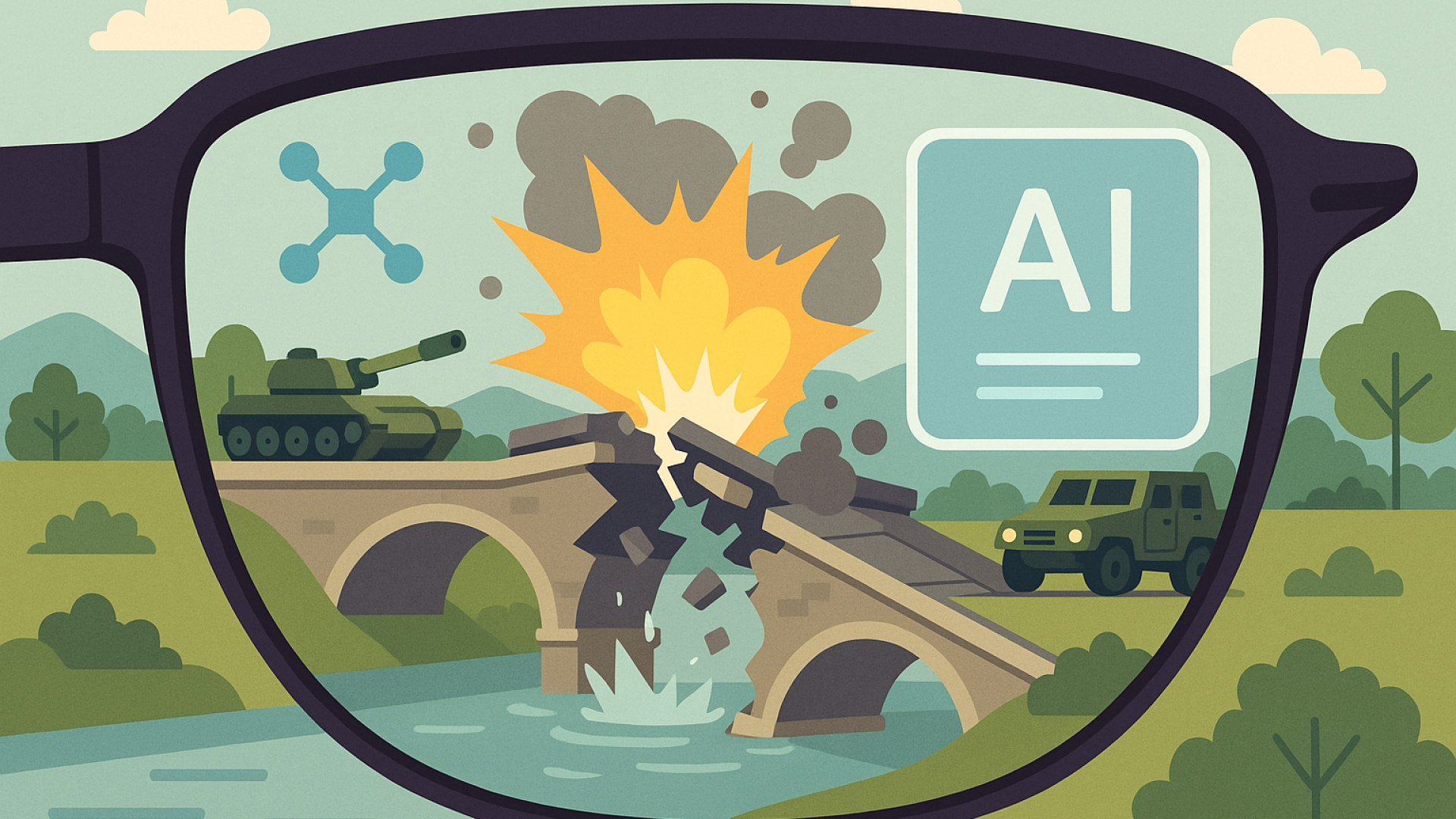
March 2026 has emerged as a pivotal month marked by significant geopolitical developments and technological breakthroughs. On the international front, Israel's recent military actions in southern Lebanon, specifically the destruction of key river bridges, have intensified regional tensions and raised concerns about stability in the Middle East. Concurrently, the technology sector is witnessing remarkable advancements, particularly in artificial intelligence (AI), with innovations such as AI-powered smart glasses designed to assist people with dementia winning prestigious awards. This article explores these developments in detail, providing context, analysis, and potential solutions to the challenges they present.
Context: Rising Tensions in the Middle East
Israel's decision to destroy river bridges in southern Lebanon represents a strategic move aimed at disrupting militant activities and supply routes. This action comes amid a backdrop of ongoing hostilities and complex political dynamics involving Hezbollah and other factions operating in the region. The destruction of infrastructure not only hampers militant mobility but also impacts civilian life, raising humanitarian concerns.
Historically, the Israel-Lebanon border has been a flashpoint for conflict, with periodic escalations threatening broader regional stability. The recent strikes underscore the fragile nature of peace efforts and the challenges faced by international actors attempting to mediate lasting solutions. The border area has long been characterized by a delicate balance of power, with frequent skirmishes and proxy confrontations that complicate diplomatic efforts. The destruction of these bridges, therefore, is not merely a tactical military maneuver but a signal of escalating tensions that could have far-reaching consequences.
Core Analysis: Implications of the Bridge Destruction
The targeted destruction of river bridges serves multiple strategic purposes for Israel. Primarily, it aims to sever logistical support to militant groups, thereby limiting their operational capabilities. By disrupting supply chains and restricting movement, Israel seeks to weaken the operational effectiveness of Hezbollah and affiliated factions. However, such actions carry significant risks, including potential retaliation and escalation into wider conflict, which could destabilize the region further.
From a humanitarian perspective, the damage to infrastructure affects local communities by restricting access to essential services and disrupting daily life. The bridges often serve as critical links for commerce, healthcare, and education, and their loss exacerbates existing vulnerabilities in southern Lebanon. Residents face increased difficulties in obtaining medical care, accessing markets, and maintaining social connections, which can lead to heightened economic hardship and social unrest.
Internationally, the strikes have drawn varied reactions. Some nations express support for Israel's right to self-defense, while others call for restraint and renewed diplomatic engagement. The United Nations and other international bodies have emphasized the need to protect civilians and uphold international law. The complexity of the situation is further compounded by the involvement of multiple state and non-state actors, each with competing interests and agendas, making diplomatic resolutions challenging.
Technological Breakthroughs: AI Innovations Transforming Lives
Amid geopolitical uncertainties, the technology sector offers a contrasting narrative of hope and progress. A standout development in March 2026 is the awarding of a £1 million prize to an AI software designed for smart glasses that assist people living with dementia. This innovation exemplifies how AI can be harnessed to improve quality of life and support healthcare systems.
The AI-powered smart glasses utilize advanced machine learning algorithms to recognize faces, provide contextual information, and offer reminders, thereby aiding memory and orientation for dementia patients. Such technology not only empowers individuals but also alleviates caregiver burdens and enhances patient safety. By integrating real-time data processing and user-friendly interfaces, these smart glasses represent a significant leap forward in assistive technology, enabling greater independence for users.
Beyond healthcare, AI adoption is accelerating across various industries. However, a recent report by Goldman Sachs highlights that while many small businesses are eager to embrace AI, fewer than one in five have successfully integrated it into their operations. This gap underscores the need for better education, resources, and infrastructure to maximize AI's potential. Challenges such as limited technical expertise, cost barriers, and concerns over data security hinder widespread adoption, particularly among smaller enterprises.
Challenges and Solutions: Navigating Complexity in Conflict and Innovation
Addressing the challenges posed by Israel's military actions requires a multifaceted approach. Diplomatic efforts must prioritize dialogue and conflict resolution mechanisms that consider the security concerns of all parties while safeguarding civilian welfare. International mediation and confidence-building measures can help de-escalate tensions and pave the way for sustainable peace. Initiatives that promote transparency, communication, and mutual understanding are essential to prevent misunderstandings that could lead to further escalation.
In the realm of AI and technology, bridging the integration gap for small businesses demands targeted support. Governments and industry leaders should invest in training programs, accessible AI tools, and collaborative platforms that enable smaller enterprises to adopt AI effectively. Additionally, ethical considerations and data privacy must remain central to AI development to foster public trust. Policies that encourage responsible AI use, coupled with incentives for innovation, can accelerate adoption while mitigating risks.
Healthcare innovations like the dementia-assisting smart glasses illustrate the transformative power of technology when aligned with human-centered design. Expanding such initiatives through public-private partnerships and inclusive policies can accelerate their reach and impact. Ensuring affordability and accessibility will be key to maximizing benefits for diverse populations, particularly vulnerable groups.
Conclusion
The events of March 2026 reflect a world grappling with complex challenges and remarkable opportunities. Israel's strategic strikes in southern Lebanon highlight the enduring volatility of geopolitical conflicts and the urgent need for peaceful solutions. Simultaneously, breakthroughs in AI technology offer promising avenues to enhance human well-being and economic resilience.
Balancing security imperatives with humanitarian concerns, and fostering technological innovation alongside responsible integration, will define the trajectory of the coming years. Stakeholders across governments, industries, and civil society must collaborate to navigate these intertwined dynamics, ensuring a future that is both secure and progressive. By embracing dialogue, innovation, and ethical responsibility, the global community can work towards a more stable and inclusive world.